
The DOJ's Order Does Not Reschedule Cannabis, and Rescheduling Was Already Inadequate
On Thursday, April 23, 2026, acting U.S. Attorney General Blanche's “so-called” Department of Justice issued an Order definitionally bifurcating medical from adult-use cannabis and rescheduling FDA-approved drug products containing cannabis, and cannabis that is "in any form covered by a state medical marijuana license," to Schedule III of the Controlled Substances Act. The DOJ's Order does not reschedule cannabis, and rescheduling was already inadequate.
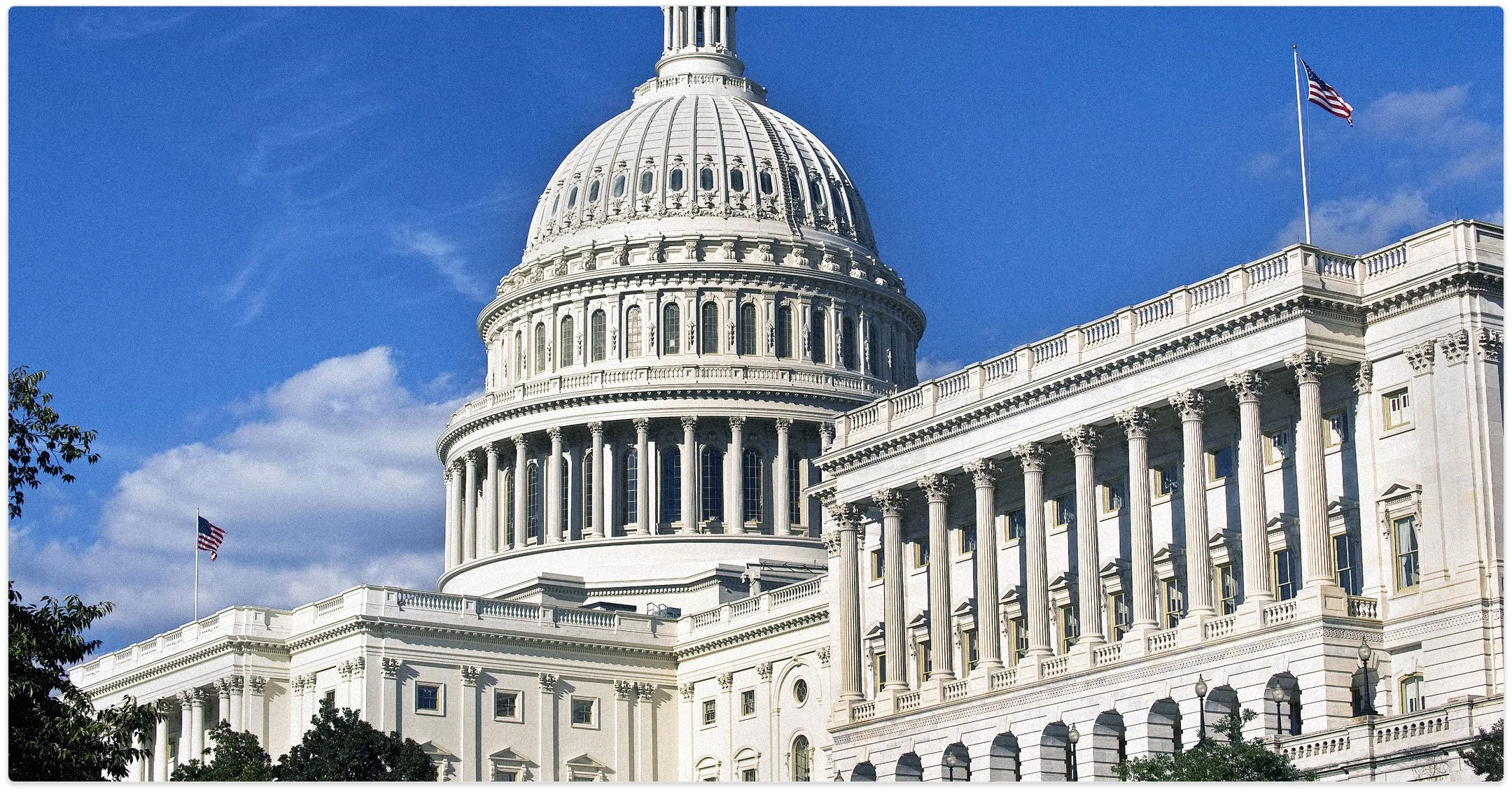
The United States Capitol Building at the National Mall in Washington, D.C.
“The Trump administration’s approach to rescheduling cannabis, through questionable legal means that have the effect of keeping the public in the dark, raises concerns for small, independent cannabis businesses.”
The process is important. The Biden administration began the rescheduling process in 2024, following the recommendations of the U.N. Single Convention on Narcotic Drugs treaty from 2021. Then, in 2025, the Trump administration bypassed the statutory process for rescheduling substances under the Controlled Substances Act and instead relied on a series of executive branch orders. This approach has raised concerns about its legal standing and its viability in court.
The DOJ Order makes clear that medical cannabis is now rescheduled, 280E no longer applies to eligible businesses, and interstate and international commerce opportunities may open up. Many unanswered questions remain that will take time to sort out. While most of the public discourse focuses on defining medical cannabis and eligibility, some of the interesting yet less discussed legal discussions include possibly providing state-registered medical cannabis patients with greater equal rights, such as no longer facing the consequences of prohibition when it comes to housing, employment, child custody, immigration, arrest, and medical cannabis grown at home. We will all learn more as these matters get updated by policymakers and adjudicated in the courts.
The Trump administration's approach to rescheduling cannabis, through questionable legal means that have the effect of keeping the public in the dark, raises concerns for small, independent cannabis businesses. Moreover, rescheduling falls short of the necessary reform of fully descheduling cannabis from the Controlled Substances Act. While much remains unknown, this recent DOJ Order marks uncharted territory and a historically chaotic moment for cannabis in the nation. No one can be certain about what to expect, except that our shared efforts to decriminalize and destigmatize the plant, as well as to repair and restore justice for those affected by its criminalization, remain unfinished.